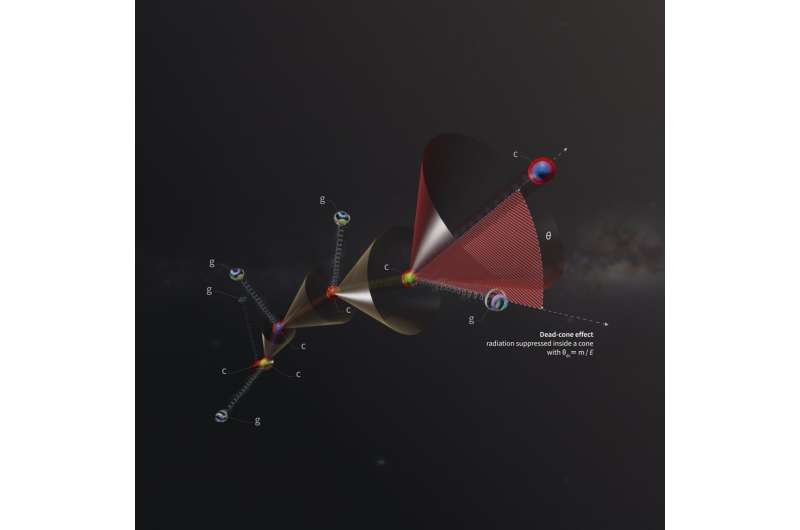
The ALICE collaboration at the Large Hadron Collider (LHC) has made the first direct observation of the dead-cone effect—a fundamental feature of the theory
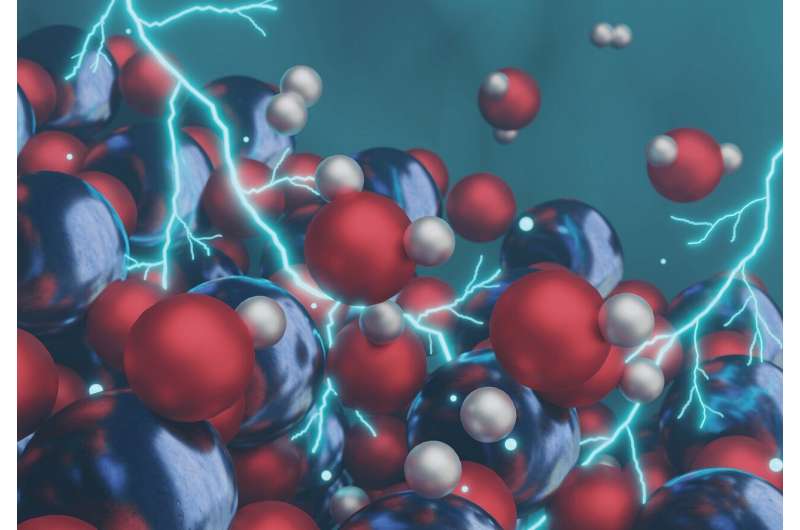
Engineers rely on catalysts for a vast array of applications from food manufacturing to chemical production, so finding efficient, environmentally friendly catalysts is an
A research team from Carnegie Mellon University and Columbia have combined two emerging imaging technologies to better view a wide range of biomolecules, including
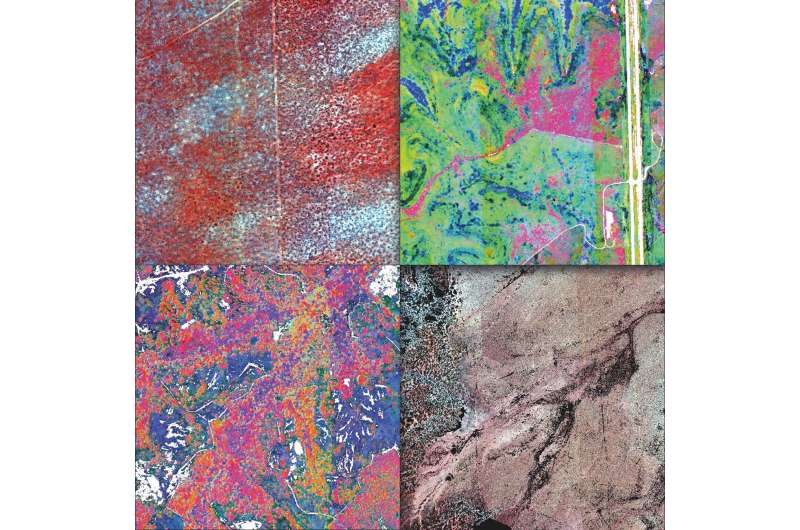
Global biodiversity assessments require the collection of data on changes in plant biodiversity on an ongoing basis. Researchers from the universities of Zurich and
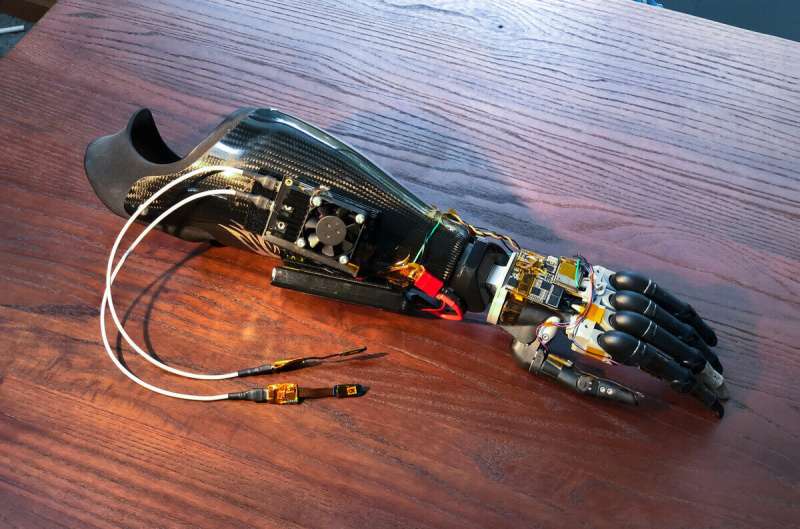
University of Minnesota Twin Cities researchers have developed a more accurate, less invasive technology that allows amputees to move a robotic arm using their
An international team of researchers, including one from The University of Western Australia (UWA), has successfully unraveled the genomes of 418 unique samples of
Polymer scientists at the University of Massachusetts Amherst recently announced in the journal Nature Communications that they have solved a longstanding mystery surrounding a
The ALICE collaboration at the Large Hadron Collider (LHC) has made the first direct observation of the dead-cone effect—a fundamental feature of the theory
Engineers rely on catalysts for a vast array of applications from food manufacturing to chemical production, so finding efficient, environmentally friendly catalysts is an
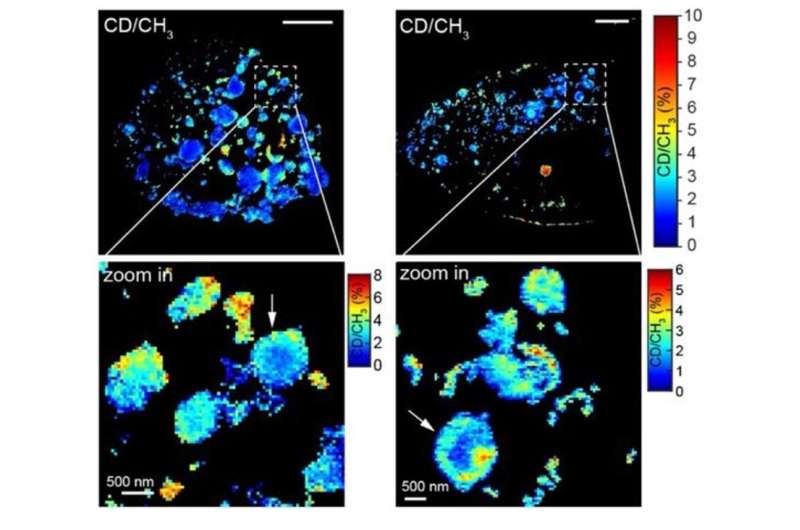
A research team from Carnegie Mellon University and Columbia have combined two emerging imaging technologies to better view a wide range of biomolecules, including
Global biodiversity assessments require the collection of data on changes in plant biodiversity on an ongoing basis. Researchers from the universities of Zurich and
University of Minnesota Twin Cities researchers have developed a more accurate, less invasive technology that allows amputees to move a robotic arm using their
An international team of researchers, including one from The University of Western Australia (UWA), has successfully unraveled the genomes of 418 unique samples of
Polymer scientists at the University of Massachusetts Amherst recently announced in the journal Nature Communications that they have solved a longstanding mystery surrounding a